Pairing Daily Walking With the Right Nutrition
Walking is one of the simplest habits a person can build. It needs no equipment, suits most fitness levels and fits easily into a busy day. Many people start a walking routine with great enthusiasm, expecting quick changes in weight and energy. After a few weeks some of them feel disappointed, because the scale has barely moved. The reason is usually food. Exercise and nutrition work as a team, and when one side is ignored the results are limited. This article explores how walking and eating habits fit together, what to eat before and after a walk and how to build a routine that you can keep for years.
What Walking Can and Cannot Do
Regular walking supports heart health, improves mood, helps with sleep and burns energy. It is gentle on the joints for most people and easy to increase gradually. However, walking alone rarely creates a large change in body weight, because the energy burned in a typical walk can be matched or exceeded by a single snack. A brisk thirty minute walk is valuable for health, but it does not give you permission to ignore what is on your plate. Understanding this balance keeps expectations realistic and stops you from feeling let down. The best results come when movement and food choices support each other.
Why Food Choices Matter So Much
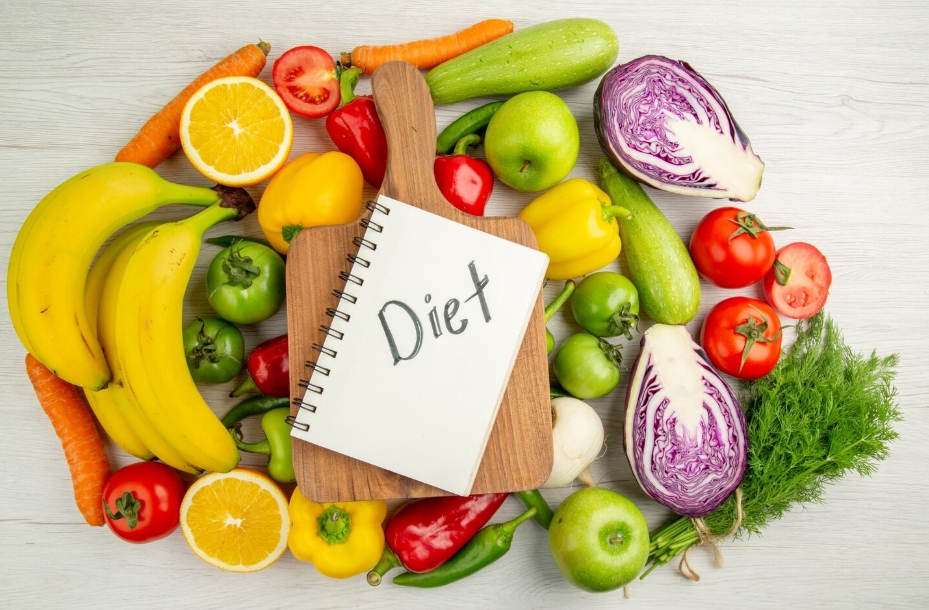
Eating patterns do much of the heavy lifting when it comes to weight management. A well planned approach to diet and nutrition for weight loss looks at portion sizes, meal timing, protein intake and the quality of your snacks. It also considers your energy needs, which change with age, activity level and health conditions. When your meals are balanced, you have steady energy for your walks and you recover better afterwards. When meals are irregular or heavy in refined foods, you may feel sluggish, hungry or dizzy while walking. Good nutrition makes each step feel easier and more rewarding.
What to Eat Before a Walk
What you eat before walking depends on the time of day and how long you plan to walk. For an early morning walk, a light option is usually enough.
- A banana or a small piece of fruit – This gives quick energy without feeling heavy.
- A small bowl of oats or a few soaked almonds – These provide slower energy for longer walks.
- A glass of water – Hydration matters, especially in warm or humid weather.
- A light tea or coffee without too much sugar – Some people enjoy this, though it should suit your digestion.
If you walk in the evening, make sure your last meal was at least an hour or two earlier so that you are comfortable while moving. Listen to your body and adjust based on how you feel.
What to Eat After a Walk
After walking, your body benefits from a meal that combines protein and fibre with some carbohydrates. Options such as a vegetable poha with curd, a besan chilla with mint chutney, an egg and vegetable omelette with a slice of whole grain bread or a bowl of dal with a small portion of rice are all sensible. These meals help repair muscles, keep you full and prevent the urge to snack on biscuits or fried items later. Drink water steadily through the day, and remember that coconut water or buttermilk can be a refreshing choice after a long walk in warm weather.
Smart Snacking for Walkers
Snacks can quietly undo the effort of a good walk, so it helps to plan them. Roasted chana, a handful of nuts, a piece of fruit, sprouts salad or a cup of curd are convenient options that provide nutrients along with fibre and protein. Keep them ready at home and at work so you are less likely to reach for packaged snacks when hunger strikes. It also helps to notice whether you are truly hungry or simply bored, tired or stressed. A short glass of water and a five minute pause can often clarify the difference.
Building the Habit in a City Like Mumbai
City life adds its own challenges. Long commutes, irregular meals, humid weather and frequent eating out make consistency hard. Many residents find it useful to consult a nutritionist in Mumbai who understands local food habits, from street snacks to home cooked thalis. A tailored plan helps you eat sensibly around your work hours and family commitments. Simple ideas also help, such as walking in the morning before the heat rises, using a nearby park or promenade, walking with a friend for motivation and tracking your steps to see your progress over time.
Progressing Safely
Start small and increase gradually. Ten extra minutes of walking and one better meal each day can build momentum without feeling overwhelming. Wear comfortable shoes, carry water and choose safe, well lit routes. Pay attention to signs such as chest discomfort, unusual breathlessness or dizziness, and stop if they appear. If you have a heart condition, joint problems, diabetes or any ongoing health concern, check with your doctor before increasing your activity or changing your diet.
Final Thoughts
Walking and nutrition are a powerful pair. Walking builds fitness, mood and consistency, while good food provides the energy and recovery to keep going. Focus on regular meals, enough protein, plenty of vegetables and fruit and steady hydration. With patience, these small choices add up to real and lasting change.