Fencing Contractor in Wakefield: Expert Residential and Commercial Installations
You want a fence that fits your property, budget, and Wakefield rules. This article shows how Groundsforce.co.uk can help you pick the right contractor, materials, and follow local regulations so your project goes smoothly.
You will learn what to expect from a local fencing company, how Wakefield’s climate and rules affect material choices, and what questions to ask before hiring. Keep reading to make confident, practical decisions for your outside space.
Groundforce Drives & Patios Limited
You notice the team takes pride in neat, solid work as soon as you arrive. Their yard shows examples of driveways and patios that look well planned and built to last. Staff speak plainly about materials and timescales, so you leave with a clear idea of the job.
You can ask for a no-obligation quote and expect a friendly, personal approach. They guide you from planning through to completion and respond quickly to questions. Prices aim to balance quality with value, and they stress customer satisfaction.
On site, installers work methodically and keep the area tidy. You see attention to edges and drainage, which matters for long-term performance. If you need fencing added or integrated with paving, they discuss options and match finishes.
Rating: 5 (27 reviews)
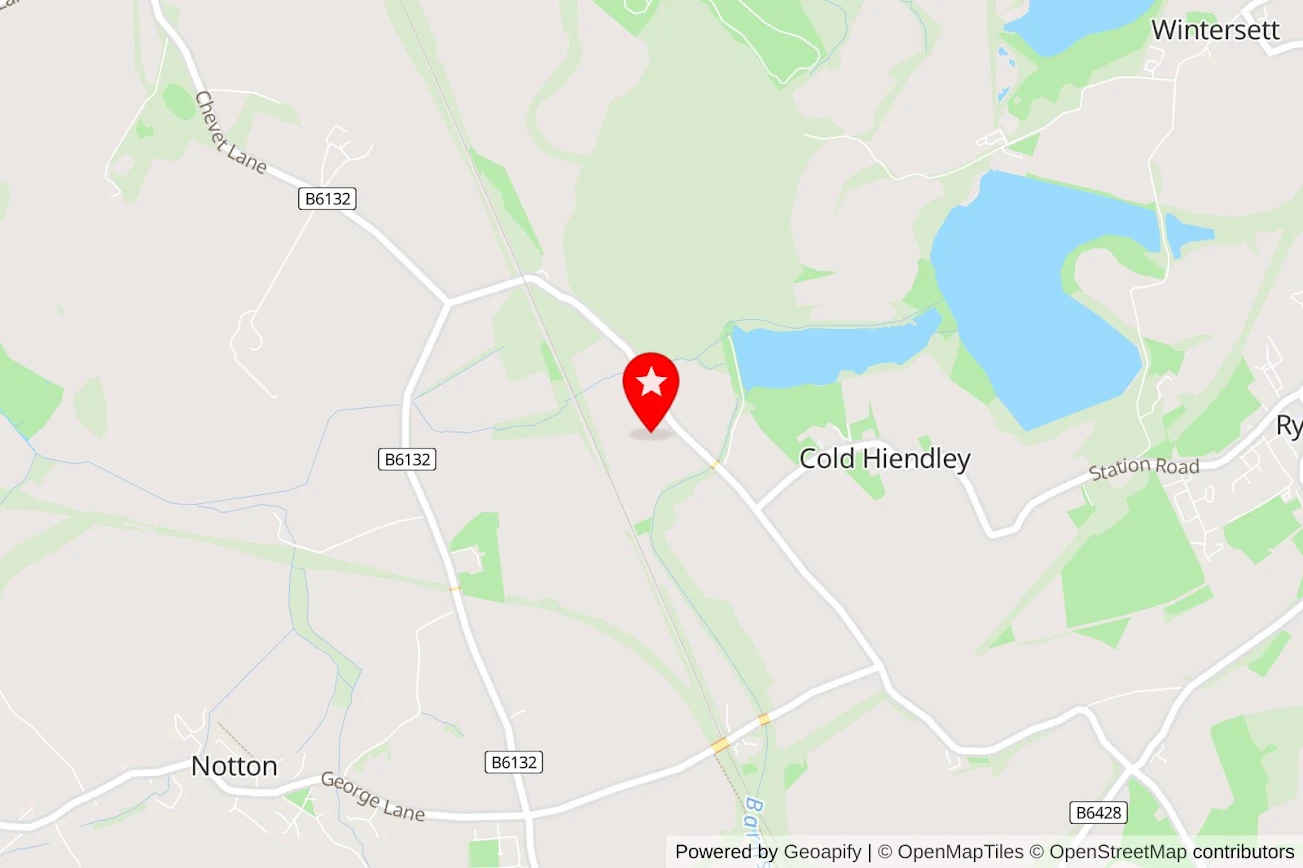
Location: Groundforce Drives & Patios Limited
Contact: +44 7765 025443
Website: Visit Website
Understanding Local Fencing Regulations
You need to know what rules affect fence height, materials, and where a fence can sit. Getting this right saves time, avoids fines, and prevents neighbour disputes.
Planning Permissions
In Wakefield, most typical garden fences under 2 metres do not need planning permission, but exceptions exist. If your property fronts a road, is in a conservation area, or lies within a listed- building curtilage, higher or more visible fences often require permission. Check with Wakefield Council before you start.
If your project is part of wider building work — such as adding a driveway, new garage, or changing ground levels — planning permission may be needed for the whole scheme. Submit a clear plan showing fence position, height, and materials. Use the council’s planning portal or call their planning office to confirm requirements and save time.
Boundary Considerations
Confirm the legal boundary before you erect a fence. Your deeds may show the boundary line; if not, you can hire a licensed land surveyor or request a copy from the Land Registry. Do not assume a hedge or old post marks the exact line.
Talk to your neighbour in writing about the planned fence, its height, and materials. Shared or party fences might require a formal agreement on cost and maintenance. If disputes arise, use mediation or apply to the county court for a determination rather than acting unilaterally.
Choosing the Right Materials for Wakefield’s Climate
Wakefield’s weather is often wet and windy, so pick materials that resist moisture, rot, and wind pressure. Focus on treated timber or coated metal that will last 15–25 years with proper care.
Timber Fencing Advantages
Timber needs pressure treatment to resist damp, rot, and insects. Choose pressure-treated closeboard or tanalised fence panels. These types shed water well and give good wind resistance on exposed sites.
Buy hardwood posts or concrete posts for the supports. Hardwood or concrete posts stop ground moisture from rotting the structure. Fit gravel boards at the base to keep panels off wet soil.
Seal ends and cut surfaces with wood preservative after installation. Re-stain or re-seal every 3–5 years to extend life. Expect routine checks after storms to tighten fixings and replace any damaged boards.
Metal Options and Durability
Powder-coated steel or aluminium offers high durability in Wakefield’s wet climate. Powder coating resists rust and holds color longer than bare metal. Aluminium won’t rust and suits coastal or high-moisture areas.
Choose galvanised steel for strong security fences; combine with a powder coat for extra protection. Look for metric thicknesses: 1.2–2.0 mm panels balance strength and cost. Check for welded, reinforced posts and tamper-proof fixings.
Maintenance is low: wash off salt or dirt and touch up any chipped coat. Inspect joints and bolts after heavy winds. Metal gives long service life with minimal upkeep compared to untreated wood.