Ergonomic Design Features in Safety Footwear for Industrial Workers
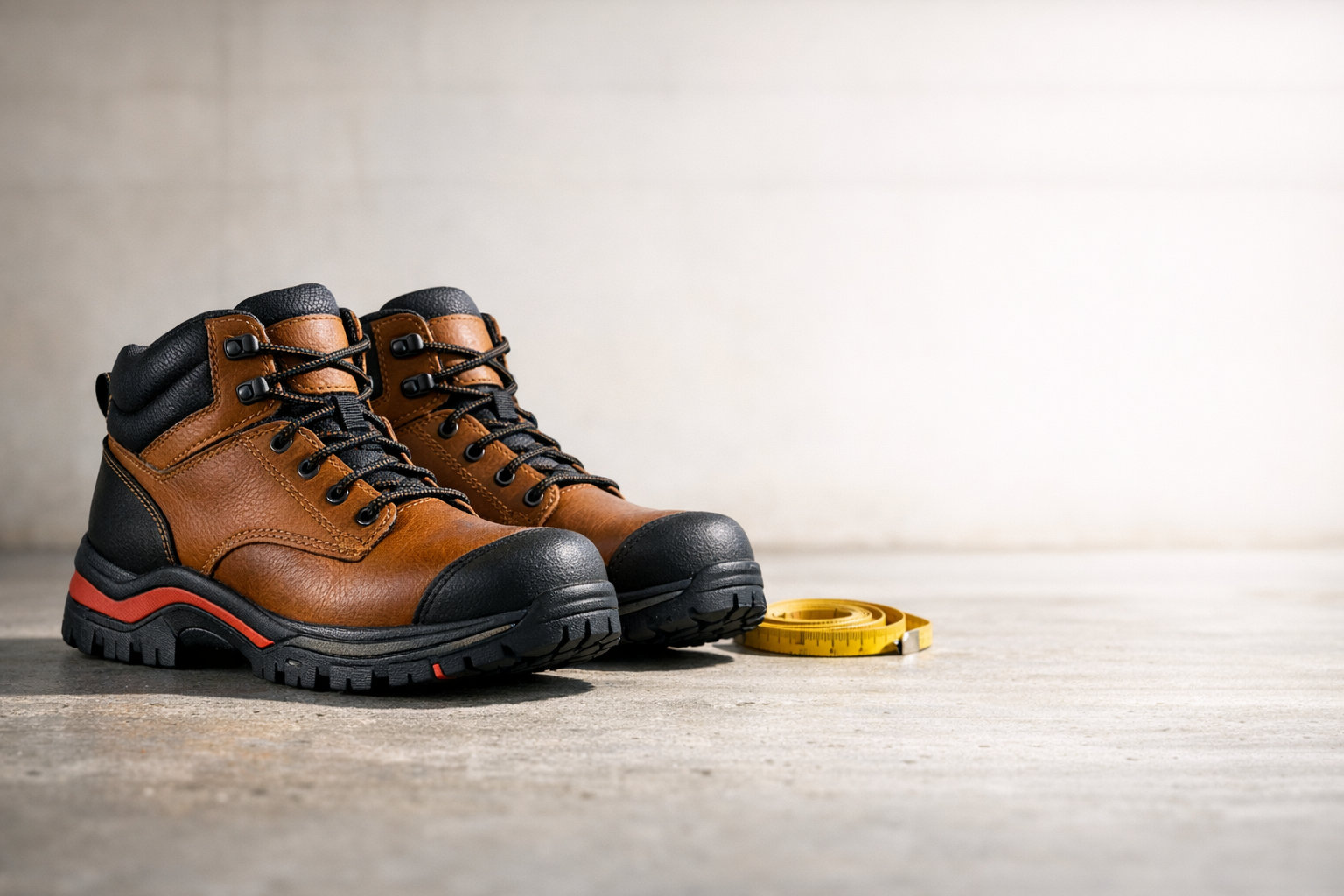
Industrial work environments require safety footwear that addresses ergonomic needs, supporting your feet during long shifts and challenging tasks. Choosing shoes that balance protection and comfort helps manage physical demands and reduces fatigue. Recognizing how fit, materials, and support work together can lead to better workplace comfort and well-being.
Prolonged standing, frequent lifting, climbing stairs, and repetitive movements all place considerable stress on feet and lower limbs during a shift. Poorly designed shoes can increase discomfort, particularly on rough or uneven surfaces. When vacuum lifter equipment is often used to move heavy loads, the risk of foot discomfort or injury from inadequate footwear grows. Prioritizing ergonomic features in your safety footwear provides a better match to the unique challenges faced each day.
Understanding stress factors and the importance of fit
Industrial workers consistently experience pressure from extended periods of standing, carrying heavy items, and constant movement. These factors can contribute to fatigue in feet and lower limbs if footwear lacks proper ergonomic design.
Ill-fitting shoes with tight toe boxes or insufficient midfoot support may lead to discomfort and hot spots. Over time, this can reduce concentration and productivity, especially when dealing with long work hours.
Selecting safety footwear with appropriate length, toe box room, and compatible socks helps ensure even pressure distribution. Secure heel fit and good midfoot support also prevent slipping inside the shoe, reducing the likelihood of blisters.
Evaluating ergonomic support within footwear design
Good underfoot cushioning is necessary to dampen the impact of walking on hard concrete floors. A thoughtfully designed safety shoe offers both shock absorption and allows for orthotic inserts where needed, promoting natural stride alignment.
Arch support and stability features help prevent overpronation or supination, decreasing stress on tendons and joints. The firmness of midsoles and maintained rigidity help keep balance, especially when climbing ladders or walking on uneven ground.
Slip-resistant outsoles with specialized traction patterns minimize slipping risks in wet or oily settings. Carefully engineered outsoles provide more stable footing in busy, unpredictable environments.
Materials, protection, and the balance of comfort
Choosing between composite and steel toes affects both the weight of the shoe and available toe room, impacting comfort and mobility. While puncture-resistant plates increase protection, they can sometimes reduce flexibility, contributing to tired feet.
Materials like leather, advanced synthetics, and specialized linings each handle heat and moisture in different ways. Avoiding hot spots relies on effective breathability and careful design to reduce seams and areas of pressure, helping maintain comfort throughout long shifts.